The History of Aruba
From ancient indigenous peoples to a thriving Caribbean paradise - discover the remarkable journey of Aruba through the centuries.
What Does "Aruba" Mean?
Most probably, the name Aruba is of Indian origin, a combination of ora (shell) and oubao (island). But it might also be from Spanish: oro hubo(there was gold). The earliest mention on a map spells "Orua".
Journey Through Time
Explore the key moments that shaped Aruba into the island paradise it is today
The First Inhabitants
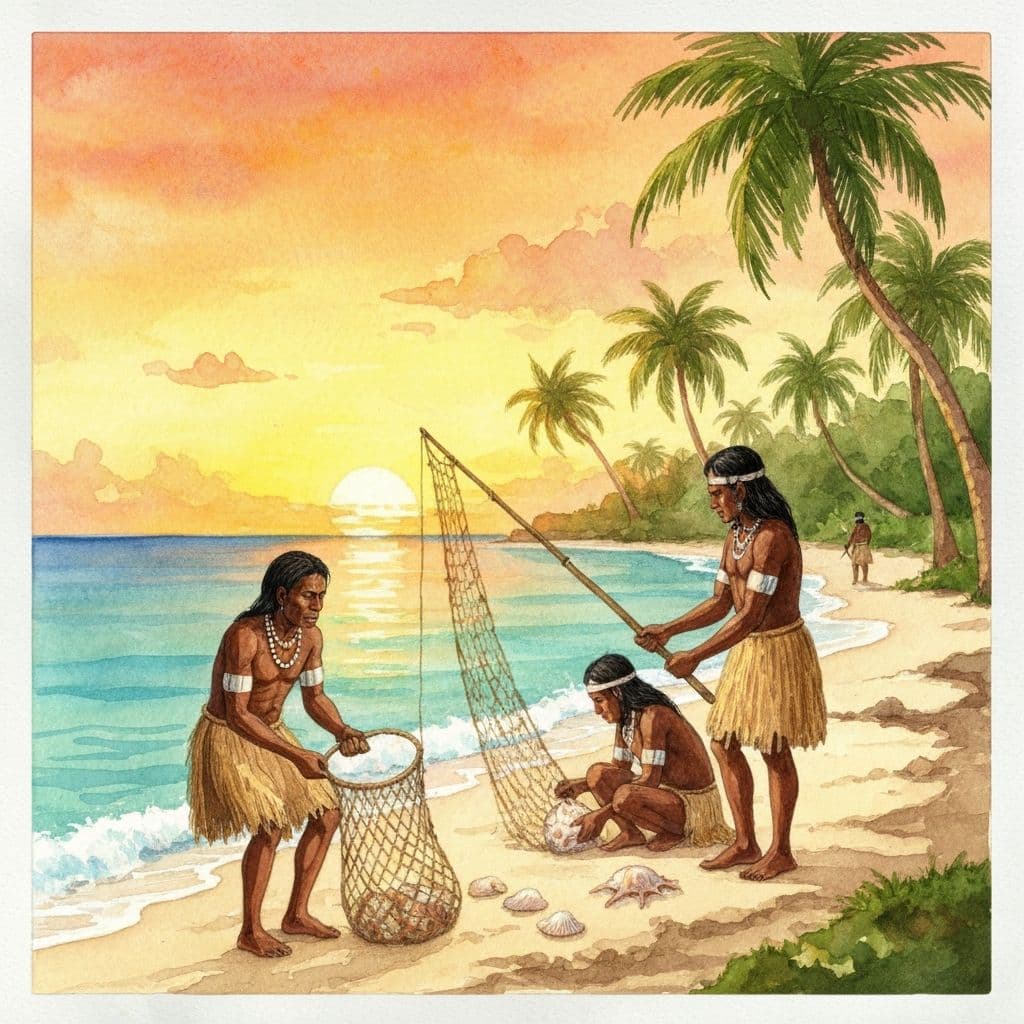
Before the discovery of Aruba by the Spaniards, the island was inhabited by Indians, first by the Arawaks and later the Caribs. They lived by catching fish and collecting natural food. The name Aruba is most probably of Indian origin, a combination of 'ora' (shell) and 'oubao' (island).
Spanish Discovery & Dutch Rule
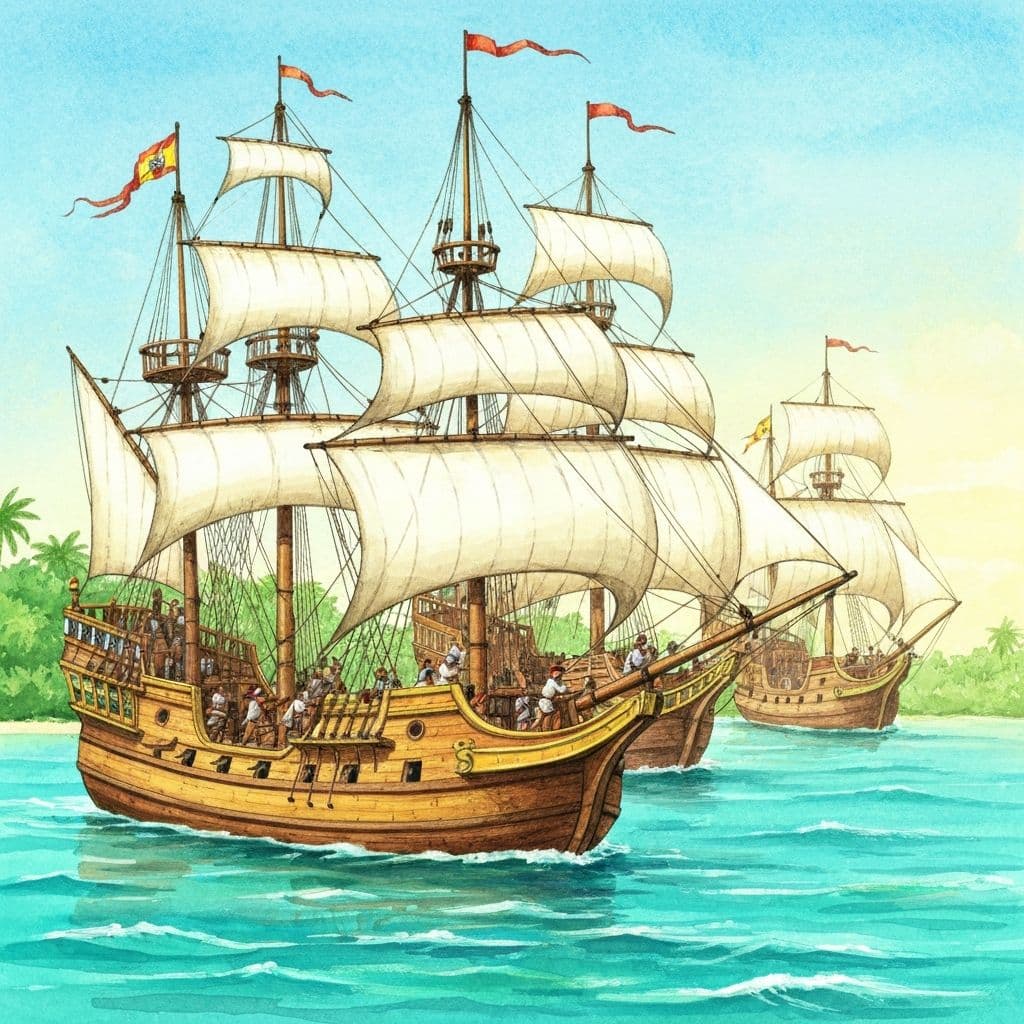
Aruba was discovered by the Spaniards in 1499. In the 16th century, the Spaniards deported the entire Indian population to Hispaniola to work in copper mines. In the 17th century, the Dutch conquered the Windward islands. On Aruba, horses and mainly goats were bred. Between 1806 and 1816, Aruba was occupied by the English.
Aloe, Gold & Phosphate
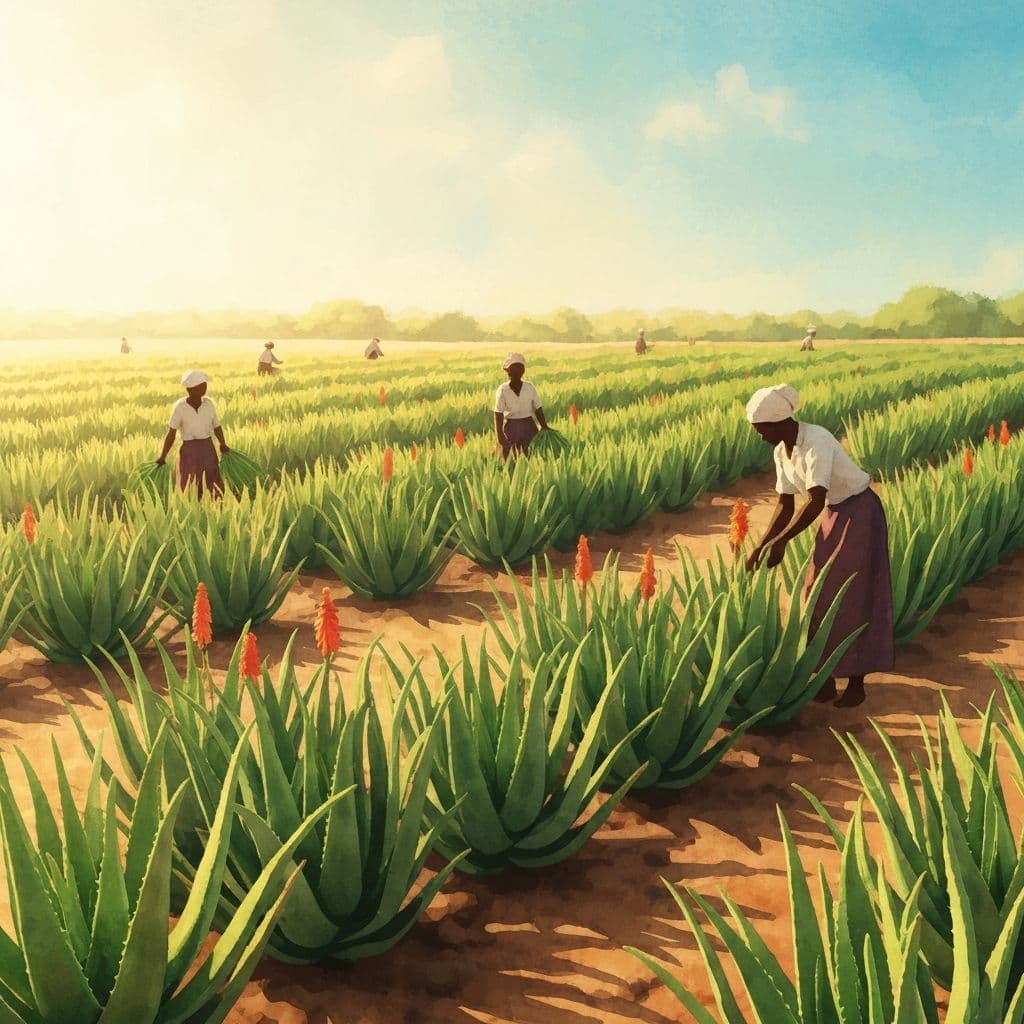
The aloe plant was particularly suitable for the soil and climate of Aruba. As of the 19th century, the juice was exported, and since 1947 there is an aloe factory on Aruba. In 1824, gold was found on Aruba and phosphate in 1859. Both industries became the first important sources of income for the Aruban people.
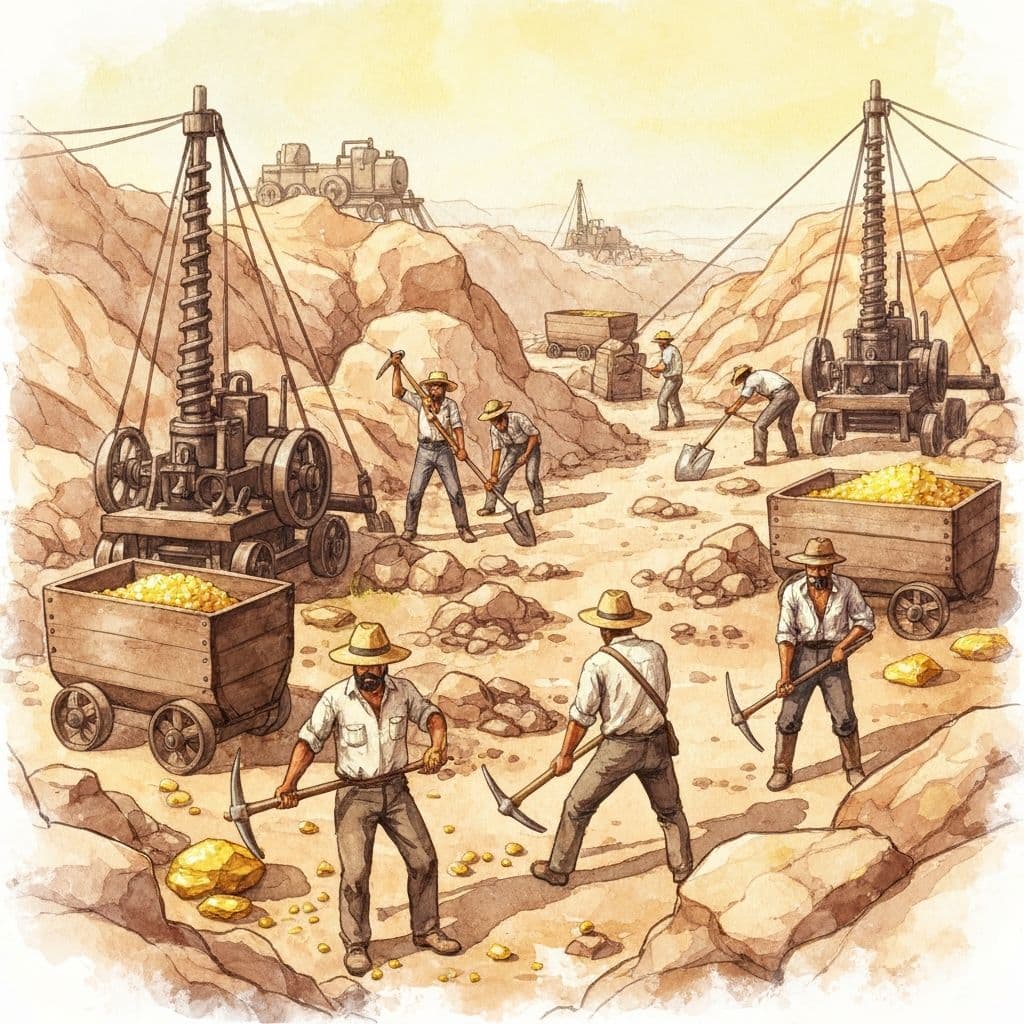
The Gold Rush
Gold mining continued up to the First World War (1914), and the exploitation of phosphate was also halted in the beginning of the 20th century. These industries provided crucial economic development for Aruba during this period.

The Lago Refinery & WWII
Aruba was home to one of the biggest refineries in the world, supplying a substantial part of the fuel to the allied troops during World War II. The island was targeted by a German submarine, but fortunately, the attack was a major failure and Aruba was spared massive damage.
Rise of Tourism
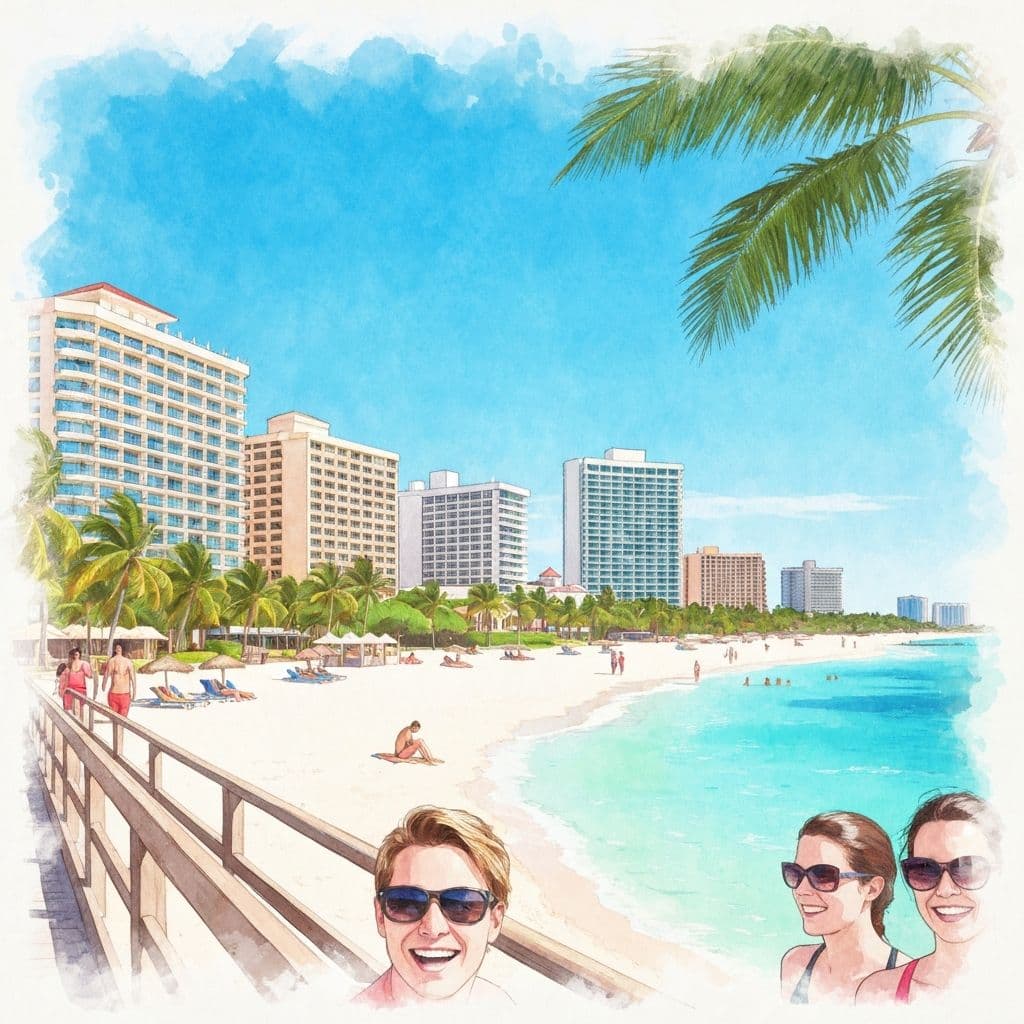
In 1959, the first major resort on Palm Beach was constructed. Next to the Aruba Caribbean Hotel, other high-rise hotels were built. Several smaller hotels were built on Eagle Beach. Tourism has grown to become the major employer on the island, earning Aruba the title of 'One Happy Island'.
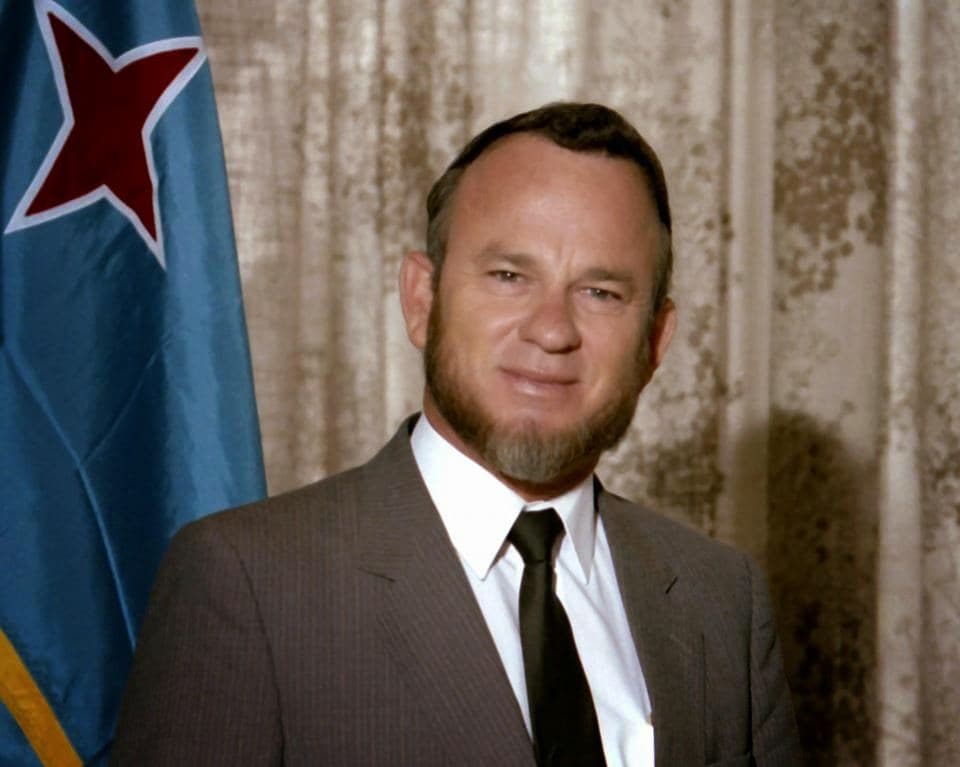
Betico Croes (1938-1986)
Betico Croes & Status Aparte
The young and dynamic politician Gilberto François ('Betico') Croes from Santa Cruz founded the political party Moviemento Electoral di Pueblo (MEP) in 1971. As leader of this party, he was an advocate of the realization of the 'Status Aparte' for Aruba in the seventies and eighties. He died in the year the Status Aparte took effect, 1986.
In the beginning of the thirties of the past century, Aruba officially announced to the Government of the Dutch Kingdom its wish to separate from Curaçao. Jan Hendrik (Henny) Eman and Shon A Eman were the advocates of 'Separación' (separation).