A Local's Guide to Aruban Food: 10 Dishes and Drinks to Try
From keshi yena and pastechi to kadushi soup and ponche crema, learn what Aruban cuisine is made of and where its flavors come from.
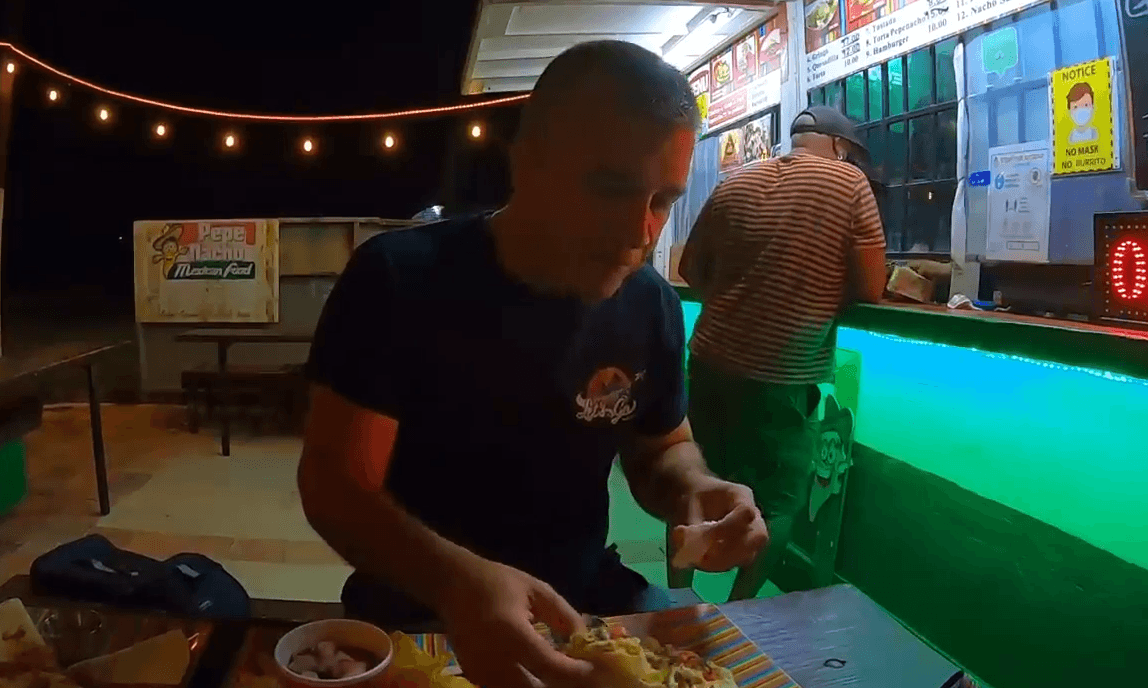
Aruban cooking is a mix of Indigenous Caribbean, African, Dutch, Spanish and Latin American influences, shaped by an island that has always depended on the sea and on what grows in a dry climate. If you want to understand Aruba beyond the beach, start at the table. This guide covers ten dishes and drinks you will see on local menus, what they are made of and why they matter.
Dishes to Try
1. Keshi Yena
Often called Aruba's national dish, keshi yena is a hollowed-out round of Dutch cheese (traditionally Edam or Gouda) filled with spiced chicken, beef or seafood, olives, capers, raisins and tomato, then baked until the cheese melts around the filling. The name comes from Papiamento for "stuffed cheese". Its Dutch cheese and Caribbean seasoning in one dish says a lot about the island's history.
2. Pastechi
Pastechi is the island's everyday snack: a fried pastry pocket filled with cheese, ham, beef, chicken or tuna. Locals eat it for breakfast, as a quick lunch, or late at night. Most bakeries and snack counters sell them hot, and they cost very little, which makes them the easiest way to eat like a local.
3. Kadushi
Kadushi is a soup made from the fruit of the kadushi cactus, which grows wild across Aruba's dry landscape. It is usually cooked with fish or meat, onion and spices, and served with funchi. It has an earthy flavor that is quite different from anything you may have tried before, and it is a traditional dish for family gatherings.
4. Funchi
Funchi is a cornmeal side dish with a texture between polenta and mashed potato. It can be soft, or cooked firm and fried in slices. You will find it served with stews, fried fish or soup.
5. Pan Bati
Pan bati is a thick, slightly sweet pancake-style flatbread made from cornmeal and flour. It is commonly served with grilled meats, stews and seafood, and it is a staple at local restaurants.
6. Sopi di Pisca
Aruban fish soup is made with fresh local fish, potatoes and herbs, with a clear and seasoned broth. It reflects the island's fishing heritage, and the version you eat near the coast in towns such as Savaneta is a good example of how simple, fresh seafood is treated here.
7. Stoba
Stoba is a slow-cooked stew, often made with beef, goat or chicken and sometimes with papaya. It is a classic comfort dish, usually served with rice and funchi, and it is typically prepared for celebrations and Sunday meals.
Drinks and Sweet Things
8. Balashi
Balashi is Aruba's local beer. It is a light lager brewed on the island and widely available in restaurants, bars and supermarkets. It is a refreshing match for fried fish and snacks on a hot day.
9. Ponche Crema
Ponche crema is a creamy, spiced drink, similar in spirit to eggnog, with rum and a hint of vanilla and nutmeg. It is closely associated with the Christmas and New Year season, when families make their own recipes.
10. Cocos Cookies and Local Sweets
Coconut-based sweets and cookies, as well as sweet breads, are part of the island's baking tradition. You will find them at local bakeries and market stalls.
Where to Eat Like a Local
- Local snack bars and bakeries: the best place for pastechi and breakfast.
- Fishing communities such as Savaneta: known for casual seafood places where the catch of the day is the menu.
- Food trucks and roadside stands: often the most affordable and authentic option.
- Cultural evenings: events that feature local cooking and music give you a taste of tradition. Check current schedules before you go, since days and venues can change.
Tips for Ordering
- Ask what the daily special is. Many family-run places cook what is freshest that day.
- Learn two words: masha danki means "thank you very much" and is always appreciated.
- Check whether a service charge has already been added to your bill before tipping.
Food is one of the most direct ways to experience Aruban culture. Explore more traditions in our culture section or read about the Papiamento language, which gives these dishes their names.